Treatment planning is essential to delivering effective, personalized care in modern healthcare. Electronic Medical Records (EMR) Software helps in organizing the patient’s medical information. EMR Software enables medical specialists to access structured, real-time patient data, make better-informed decisions through integrated decision-support tools and stay connected to offer holistic care. How EMR Software Improves Treatment Planning […]
Continue reading
Electronic Medical Records (EMR) Software interface is the ability to connect EHR systems with other healthcare solutions like laboratory systems, billing solutions, and telemedicine. This integration creates a single level of patient data, which means that healthcare providers can have an accurate and up-to-date picture of the patients they are treating regardless of their system. […]
Continue reading
In today’s digital healthcare scenario, Electronic Medical Records (EMR) Software does more than just store patient data. As Remote Patient Monitoring (RPM) gains ground, healthcare providers are seeing a change toward more effective and ongoing patient care. Bringing RPM tools into EMR Software has an impact on how doctors gather, study, and use patient data, […]
Continue reading
Electronic Health Records (EHR) Software systems have been deployed widely in the United States. The state-of-the-art technology of EMR systems can bring many benefits including streamlined workflows, improved patient care, and interoperability. Software vendors are striving hard to make interoperable EHR Software so different systems can ‘communicate’ seamlessly with one another. What is EMR Software […]
Continue reading
Electronic Medical Records (EMR) Software systems features are continually evolving to meet the existing needs of healthcare providers, patients, and other stakeholders involved in the healthcare ecosystem. In 2024, EHR Software technology will further improve and advance in some features to enhance patient care, streamline workflows, and reduce clinician burnout. The Use of Generative AI […]
Continue reading
The successful integration of Electronic Medical Records (EMR) software in healthcare practice can significantly enhance the quality of patient care. By following these tips, medical practices can maximize the benefits of integrated EMR software. Define Clear Objectives Before diving into the world of integrated EMR software, it’s crucial to establish clear objectives. What specific goals […]
Continue reading
Many recent healthcare transformations are a result of Generative AI. Integrating generative AI into clinical documentation can greatly alleviate the administrative burden on healthcare providers as the charting process is streamlined. The technology also improves the accuracy of clinical documentation to boost patient care and health outcomes. MEDITECH EMR Software Join Hands with Suki EMR […]
Continue reading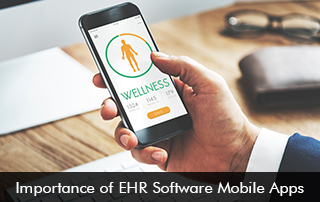
The Mobile EHR Software market is growing rapidly in the United States. Mobile EMR Software systems provide great flexibility to providers to practice on the go, as they can view the entire system on their Android or iOS devices. The use of electronic medical records apps has resulted in a decrease in the total time […]
Continue reading
The financial side of a healthcare organization is important as it can help to boost revenue and ensure accurate billing. This can be achieved by deploying integrated EMR software for medical billing. The integration makes sure that the data flows smoothly between systems and helps medical practices to bill without errors. What’s integrated EHR software […]
Continue reading
Well-known EHR Software vendor Cerner PowerChart Ambulatory EMR Software and MU Healthcare collaborated to form a health IT partnership recently. The main aim of this valuable collaboration is to nurture healthcare quality enhancements. Mu Healthcare has been using Cerner EHR Software solutions for a decade now. In 2009, MU Healthcare joined hands with Cerner to […]
Continue reading