
EMR Software interoperability has become critical to achieve high-quality patient care. Healthcare organizations and hospitals in the United States have invested in interoperable EHR Software for seamless data exchange between systems, labs, and pharmacies. Interoperability is a framework that empowers providers to offer faster and safer care. In this blog, we will explore real-world examples […]
Continue reading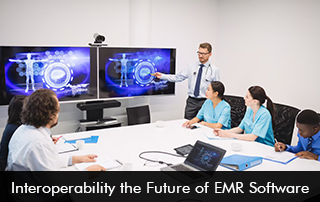
Smooth information sharing between healthcare providers is essential for delivering top-quality care. That’s where EMR software comes in. Interoperability in Electronic Medical Records (EMR) Software means it can easily share and utilize data across various healthcare systems. Patients with multiple healthcare providers can receive optimal care across the board through interoperable EMR systems. Why Interoperability […]
Continue reading
Treatment planning is essential to delivering effective, personalized care in modern healthcare. Electronic Medical Records (EMR) Software helps in organizing the patient’s medical information. EMR Software enables medical specialists to access structured, real-time patient data, make better-informed decisions through integrated decision-support tools and stay connected to offer holistic care. How EMR Software Improves Treatment Planning […]
Continue reading
Meaningful Use in Electronic Medical Records (EMR) Software is critical as it outlines the minimum US government standards of EHR Software Systems. Meaningful Use of EMR Software aims to boost collaboration, offer standardized care, and improve health data exchange. Main Goals of Meaningful Use in EHR Software According to the Centers for Disease Control and Prevention, […]
Continue reading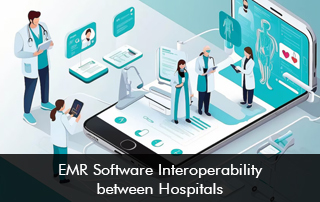
Healthcare interoperability is critical for the seamless exchange of patient data between hospitals, departments, and healthcare providers. Through Electronic Medical Records (EMR) Software interoperability hospitals and caregivers can reduce gaps in care and improve patient care through seamless care coordination. According to an ONC data brief 70% of hospitals participate in healthcare interoperability. Importance of EHR […]
Continue reading
Integrated care in healthcare shapes comprehensive and patient-centered care. With the help of Electronic Medical Records (EMR) Software technology healthcare providers are empowered to offer the right care to patients at the right time. Electronic medical records have become very popular and critical in healthcare with estimated market growth to $47.60 billion by 2030. The […]
Continue reading