Every patient has a unique medical history, genetics, risk factors, and prior treatments. Patients come with different health backgrounds, and it makes sense that modern healthcare is all about personalized patient care, and EMR software drives this transformation. EHR systems of today empower clinicians with fast access to patient data, give clinical insights, and even leverage AI tools that can help with individualized care.
What is Personalized Patient Care?
Healthcare providers give tailored medical treatment based on the patient’s individual needs. In personalized patient care, patients are not completely treated on generic guidelines, but providers consider their medical history, chronic conditions, family health history, lifestyle, social determinants of health, and patient preferences.
How does EMR Software Support Personalized Healthcare?
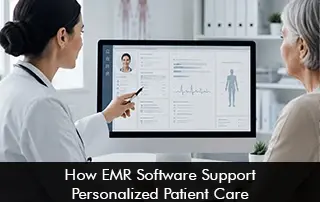
Electronic medical records software like AdvancedMD EHR software and many more allow providers to easily create comprehensive digital records for each patient. This way, providers just need to enter their patients’ names and get instant access to their complete medication history, past treatments, reports, and imaging results. The centralized view of patient records enables providers to ensure informed clinical decisions.
Robust interoperability in EMR software solutions makes way for seamless care coordination. Patients may receive care from multiple providers, specialists, labs, and hospitals. Software platforms with interoperability can enhance communication in real-time to ensure any gaps in patient care are eliminated.
For example, a cancer patient will have to visit an oncologist, a radiologist, and a primary care provider throughout their care journey. The updated records offer shared access to each practitioner so they are on the same page, and treatment can progress efficiently.
CDS tools in EHR systems can provide evidence-based guidelines and offer patient-specific recommendations. These tools can flag out drug interactions, abnormal test results, and preventive care opportunities.
Real-World Examples of Personalized Care with EMR Software
Epic Systems
Epic EMR Software is utilized by large healthcare organizations and hospitals in the USA. The patient engagement features empower providers to monitor individual patient data and chronic conditions. Two-way HIPAA-compliant communication is supported by the MyChart Patient Portal.
athenahealth EHR Software
Cloud-based software vendor, athenaOne EMR Software, provides clinicians with actionable insights. The functionalities in the platform can identify care gaps and offer personalized treatment plans.
The Role of AI in Personalized Patient Care
AI integrations in electronic medical records software create avenues to offer individualized patient care. Predictive risk analysis can pinpoint high-risk patients and even identify hospital readmissions. This helps providers to timely intervene and create targeted treatment plans to improve health outcomes.
Artificial intelligence is designed to analyze patient histories, clinical guidelines, and outcomes. This way, AI can suggest the most appropriate treatment options tailored for a specific individual.
A one-size-fits-all approach does not fit healthcare delivery. In the near future, we will continue to see personalized care enhanced with smarter AI tools and better integration. EMR software technology makes it possible for providers to take a more proactive and personal role in patient care.