
Post-acute care includes long-term hospitals, rehab facilities/centers, home health agencies, and skilled nursing facilities. Post-acute care is when patients receive care and close monitoring after an illness, surgery, or injury. The use of EMR Software in Post-acute settings To facilitate effective connected care caregivers in the post-acute setting have leveraged the robust technology of electronic […]
Continue reading
When the worldwide pandemic hit, most health systems shifted to virtual care. Virtual care solutions such as telehealth and telemedicine software enable patients to receive diagnosis, treatment, and therapy from the comfort of their homes. Even after COVID-19 providers and patients prefer telehealth because of its convenience and effectiveness. Telehealth for Behavioural Health In the […]
Continue reading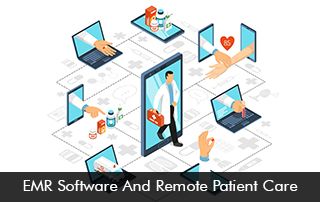
Remote patient care, also known as telehealth or telemedicine, allows healthcare professionals to connect with patients remotely. In this blog, we explore the potential of EMR software in transforming remote patient care. Seamless Access to Patient Information EMR software serves as a comprehensive repository of patient health records. It provides healthcare practitioners with real-time access […]
Continue reading
Compliance with EHR software is crucial to ensure patient privacy, data security, and legal adherence. Prioritizing compliance with HIPPA regulations not only ensures the trust of patients but also mitigates the risk of reputational damage and legal consequences. Here’s how can you ensure compliance with EHR software: Familiarize Yourself with Relevant Regulations for Compliance with […]
Continue reading
Ochsner Health System in Southeast Louisiana offered its patients receiving chemotherapy by using connected devices and MyChart Care Companion. This helped cancer patients to stay empowered by allowing them to self-monitor and keep care members updated with real-time results. Reduced ED visits for cancer patients The connected care program for cancer patients was successful in […]
Continue reading
Artificial Intelligence (AI) technology is revolutionizing healthcare drastically. AI in healthcare leverages machine learning (ML), and natural language processing (NLP) to enhance the patient experience and streamline tedious administrative tasks. Why use Artificial Intelligence in healthcare? Healthcare organizations have a majority of data in the form of health records, population data, clinical trial data, and […]
Continue reading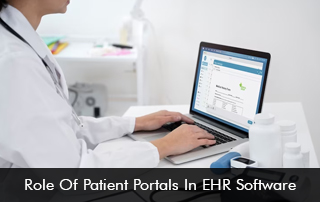
Patient portals in EHR software have revolutionized the patient-provider relationship. This blog delves into the unique role of patient portals in EHR software, showcasing how they empower patients, foster engagement, and optimize healthcare delivery. Access to Personal Health Information Patient portals act as secure gateways, providing individuals with direct access to their personal health information. Patients […]
Continue reading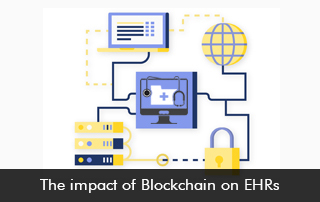
Electronic Medical Records (EMR) Software are key to improving patient care and streamlining clinical, administrative, and financial operations. Some EHR software technology is based on centralized servers, exposing it to greater threats from data breaches and hacking. This can have costly implications and patients can lose their trust in the way their sensitive information is […]
Continue reading
Electronic health records (EHRs) have emerged as significant tools in the digital healthcare era, revolutionizing the way patient information is collected, stored, and analyzed. How EHRs Help Improve Population Health Management EHRs serve an important role in community health management in addition to their core purpose of aiding individual patient care. EHRs enable healthcare organizations […]
Continue reading
By digitizing and automating various tasks, EHR software optimizes operations and reduces administrative burdens. Implementing EHR software requires careful planning, staff training, and ongoing support to maximize its benefits. Some of the advantages are: Streamlined Documentation and Data Management EMR software eliminates the need for paper-based documentation, offering a streamlined approach to record-keeping. Healthcare providers […]
Continue reading