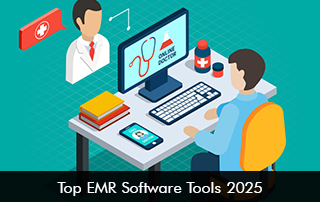
With time, the technology of Electronic Medical Records (EMR) Software is being enhanced by the integration of innovative functionalities. These updated tools in EMR Software Systems aim to empower healthcare providers to boost patient care and create better avenues for patient engagement. Gone are the days when EHR Software was seen as digital storage for […]
Continue reading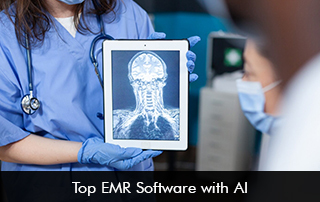
Artificial Intelligence has taken the front stage in healthcare. To keep up with innovation, many EMR Software vendors offer AI integrations to their users. Artificial Intelligence in Electronic Medical Records (EMR) Software enables simplifying workflows efficiently, and empowers providers to have a proactive approach to boost health outcomes. How can AI in EMR Software Benefit […]
Continue reading
Electronic Medical Records (EMR) Software interface is the ability to connect EHR systems with other healthcare solutions like laboratory systems, billing solutions, and telemedicine. This integration creates a single level of patient data, which means that healthcare providers can have an accurate and up-to-date picture of the patients they are treating regardless of their system. […]
Continue reading
Electronic Medical Records (EMR) Software systems were introduced in the 1960s; however, it was not until 2009 that the robust technology system gained importance among healthcare providers and hospitals. In a 2020 survey conducted by National Electronic Health Records, 89 percent of physicians reported using an EMR system, which reflects that medical software technology brings […]
Continue reading
Electronic Health Records (EHR) Software systems have been deployed widely in the United States. The state-of-the-art technology of EMR systems can bring many benefits including streamlined workflows, improved patient care, and interoperability. Software vendors are striving hard to make interoperable EHR Software so different systems can ‘communicate’ seamlessly with one another. What is EMR Software […]
Continue reading