In this day and age, where everything is digital, it’s important for healthcare providers to handle patient data effectively to offer top-notch care. Electronic Medical Records (EMR) Software has changed how doctors and nurses manage, keep, and look at patient details. Using EHR Software to manage data well means things run smoothly, patient care improves, […]
Continue reading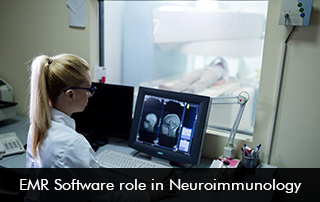
Neuroimmunology, a field exploring how our nervous and immune systems interact, is taking off. It’s opening up exciting possibilities for treating conditions like multiple sclerosis (MS), Alzheimer’s disease, and autoimmune encephalitis. And guess what? Electronic Medical Records (EMR) Software is a game-changer in this field, making a huge difference in research, patient care, and helping […]
Continue reading
Hospitals in the USA have implemented the robust technology of Electronic Medical Records (EMR) Software. With the help of EMR Systems providers are empowered to offer holistic care, have quick access to patient records, coordinate care, and streamline daily workflows. The long-term value that EHR Software brings cannot be ignored. Small providers might feel that […]
Continue reading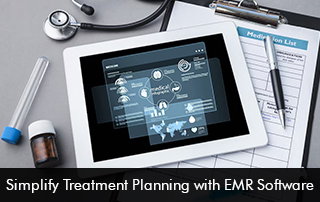
Treatment planning is essential to delivering effective, personalized care in modern healthcare. Electronic Medical Records (EMR) Software helps in organizing the patient’s medical information. EMR Software enables medical specialists to access structured, real-time patient data, make better-informed decisions through integrated decision-support tools and stay connected to offer holistic care. How EMR Software Improves Treatment Planning […]
Continue reading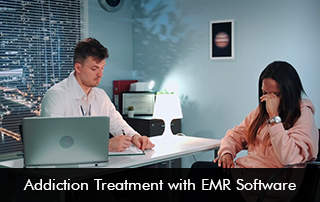
Drug abuse together with addiction is recognized as a key concern for American public health. Report data indicates that substance use disorders harm more than 20 million American adults aged 12 years or older every year. Thousands of Americans die yearly because of the worsening opioid crisis which stems from both physician-written prescriptions and illegal […]
Continue reading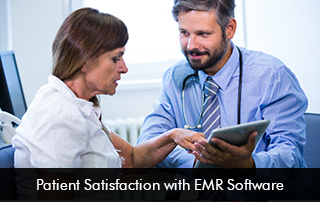
Keeping patients satisfied is the prime goal of modern healthcare. Patients today not only want effective treatment but also demand seamless overall patient services. Using the robust technology of Electronic Medical Records (EMR) Software can positively impact wait times, patient scheduling, billing, and patient care. EMR Systems can drastically enhance the quality of services keeping […]
Continue reading
Anytime a patient is referred to another specialist or any other healthcare provider and does not honor that by attending the appointment, it is called referral leakage. It results in discontinuity of care, and incorrect diagnosis, besides, many health facilities incur financial losses. The USA remains affected by referral leakage where up to 30% of […]
Continue reading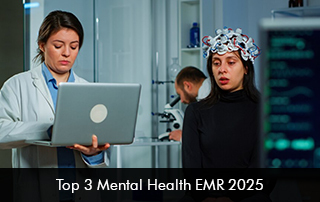
Mental health is as important as physical health. Long gone are the days when seeking mental health care was considered a taboo. Therapists and psychologists in the USA have deployed robust solutions using mental and behavioral health EMR software. These Electronic Medical Records (EMR) Software are designed to meet the unique requirements of behavioral health […]
Continue reading
Going green and enhancing patient care are the priorities of today’s healthcare organizations. To combat the challenges of pollution, Electronic Medical Records (EMR) Software Systems play a major role. Organizations can decrease their carbon footprint through these innovative tools and improve healthcare delivery. Sustainable Practices with EMR Software The robust technology of EHR Software has […]
Continue reading
As we enter 2025, discussing the new trending solutions for enhancing Electronic Medical Records (EMR) Software makes sense. Through these tools, healthcare delivery can improve and clinicians can be empowered like never before. Automating daily clinical, financial, and administrative processes with EMR Software solutions can give providers more time to focus on patient care. Telemedicine […]
Continue reading