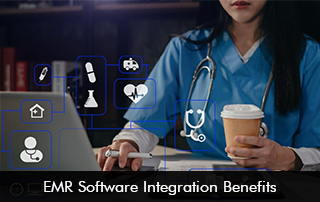
Electronic Medical Records (EMR) Software interface is the ability to connect EHR systems with other healthcare solutions like laboratory systems, billing solutions, and telemedicine. This integration creates a single level of patient data, which means that healthcare providers can have an accurate and up-to-date picture of the patients they are treating regardless of their system. […]
Continue reading
EMR software stores all patient information digitally, including medical history, test results, medications, and more. This digital storage makes patient data easy to access and reduces the need for paper records. For doctors, EMR software simplifies the process of keeping track of patient health and helps improve care quality. It also makes sharing patient data […]
Continue reading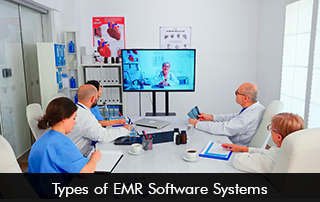
Electronic Medical Records (EMR) Software is an important tool for the modern healthcare market. It provides solutions to optimize healthcare organizations’ work and increase the effectiveness of patient treatment processes. 96% of non-federal acute care hospitals have implemented a certified electronic health records software system to improve care delivery. But the question that arises here […]
Continue reading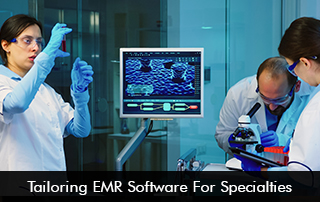
EMR software has transformed the healthcare landscape, simplifying data handling, improving patient care, and streamlining administrative tasks. However, the “one-size-fits-all” approach for EMR software often falls short in addressing the unique needs of specialty fields, such as ophthalmology, cardiology, and orthopedics. Tailoring Electronic Medical Records (EMR) software to specific specialties can enhance functionality, improve usability, […]
Continue reading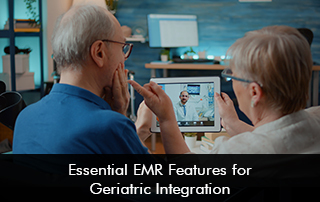
The geriatric specialty focuses on the healthcare needs of older adults, addressing complex conditions and multiple co-morbidities. With a growing aging population, geriatric practices require tools that can help deliver high-quality, coordinated care. Electronic Medical Records (EMR) software specifically tailored to geriatric needs can streamline care management, improve patient outcomes, and enhance provider efficiency. Here, […]
Continue reading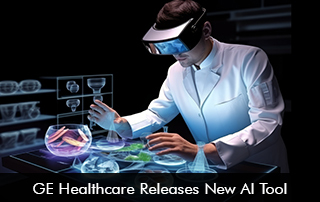
Cancer is a gripping disease spreading like wildfire in the USA. The American Cancer Society estimates that around 1.9 million new cases will be diagnosed. GE Healthcare one of the prominent EMR Software vendors has announced the release of a new Artificial Intelligence solution for oncologists with time-saving benefits. The robust AI tool is tagged […]
Continue reading
EMR software is evolving rapidly. Advances in Artificial Intelligence (AI) and Machine Learning (ML) are transforming healthcare. These technologies can streamline workflows, enhance patient care, and reduce costs. In this blog, we’ll explore the future of EMR software with AI and ML. The Role of AI in EMR Software AI is revolutionizing data processing in […]
Continue reading
EMR software is a central utility in achieving goals oriented on increasing the quality of clinical documentation, thus improving the quality of patient care, and decreasing the burden on healthcare workers. Electronic Medical Records (EMR) Software systems have replaced paper charts. Not only do they make it possible for medical records to be retrieved quickly, […]
Continue reading
We partly explain the persistent staff gaps in US healthcare by ever-increasing pressure on hospitals and other healthcare facilities. Largely, these factors have worsened the crisis by promoting burnout among nurses, aging, and increased demand for patients. This has left health facilities with few personnel and high vacancy rates that they cannot afford to compromise […]
Continue reading
EMR software has revolutionized healthcare. Unlike paper-based systems, it stores patient data digitally. With more sensitive information being handled online, there is a growing need for better protection. EMR software employs a variety of security features to prevent unauthorized access. Key security features include: Encryption: Converts data into unreadable code to ensure it can’t be […]
Continue reading